Wondering if you can get a quieter pace of life without giving up access to Fort Worth? That is exactly why so many buyers take a closer look at Aledo. If you are comparing suburbs, planning a relocation, or simply trying to find the right lifestyle fit in North Texas, this guide will help you understand what daily life in Aledo really looks like. Let’s dive in.
Why Aledo Stands Out
Aledo is a small city in Parker County, about 20 miles west of Fort Worth. The city had 4,858 residents in 2020, and regional estimates placed the population at 5,521 as of January 1, 2025. That growth shows rising interest, but Aledo still remains small in feel compared with many fast-growing DFW suburbs.
Its roots go back to the late 1800s along the Texas and Pacific Railway. That history still shapes the city’s identity today. If you are looking for a place that feels grounded, local, and less dense than many suburban options, Aledo often checks that box.
Small-Town Feel With Fort Worth Access
One of Aledo’s biggest draws is the balance it offers. You can enjoy a smaller community setting while staying connected to Fort Worth for work, healthcare, and cultural attractions. That combination appeals to many buyers who want more breathing room without feeling cut off from the broader Metroplex.
This is not the same experience as living in a closer-in, convenience-first suburb. Aledo tends to attract people who are comfortable trading some urban immediacy for a quieter setting and a more relaxed day-to-day rhythm.
What Daily Life Looks Like in Aledo
Aledo’s day-to-day lifestyle centers on civic spaces, parks, and local businesses. The city lists six free public park areas, giving residents places to gather, play, and spend time outdoors. Aledo Community Center Park includes a playground, pavilion, and walking trail, which adds to the city’s practical, everyday livability.
The Aledo Municipal Complex also serves as a community hub. Residents can access city services, attend public meetings, and explore library programs there. For many buyers, that kind of civic center helps reinforce the sense that Aledo is a place with an active local identity rather than just a bedroom community.
Downtown Aledo Is Evolving
Downtown Aledo is an important part of the city’s future. The Downtown Master Plan includes Pine Street, Historic, Civic Center, and South Commercial districts, showing that the city is planning intentionally for growth and community use. That matters if you value a town center with room to evolve over time.
The city also joined the Texas Historical Commission’s First Street Initiative in 2026. That effort supports downtown business growth, placemaking, public space activation, and community events. In practical terms, it signals continued investment in making downtown a more vibrant part of daily life.
Annual events add to that local rhythm. The city highlights gatherings such as Summer Blast and Christmas Tyme in Aledo, which help create a strong community calendar throughout the year.
Parks, Trails, and Outdoor Time
If outdoor access matters to you, Aledo has a lot to offer for a city its size. The parks system gives residents multiple free public spaces for exercise, play, and casual time outside. That can be a major plus if you want outdoor options close to home instead of needing to drive across town.
Aledo also stands out for trail access. The Parks of Aledo Trails site describes more than 10 miles of off-road singletrack bike trails through scenic Texas terrain. For buyers who enjoy biking, running, or simply having open-air recreation nearby, that adds meaningful lifestyle value.
Aledo ISD and Education Options
For many buyers, Aledo ISD is a major part of the conversation. The district serves students in Parker and Tarrant counties and covers 130 square miles, including Aledo and nearby communities such as Annetta, Hudson Oaks, Willow Park, and parts of Fort Worth. That broad footprint is useful to understand if you are comparing housing options across the area.
According to the district, Aledo ISD offers CTE pathways, dual credit, advanced courses, fine arts, robotics, and athletics. In 2025, it was named a Model PLC at Work District, one of only eight districts in Texas to receive that recognition. If educational offerings are high on your list, Aledo is a market worth exploring more closely.
Commuting From Aledo
Aledo works best when you go in with a clear picture of the commute. The city promotes access to Fort Worth employment, culture, and healthcare, and that is a real advantage for people who do not need to be in the urban core every minute of the day. Still, the commute is largely car-dependent.
TxDOT is implementing three mobility projects on I-20 and I-30 between Aledo and west Fort Worth. According to project information, substantial completion is anticipated in 2026, 2028, and 2030 for the three projects. These improvements are designed to strengthen connectivity, but buyers should still expect that traffic patterns and construction can affect drive times.
If you want a short, highly predictable in-town commute, Aledo may feel farther out than you prefer. If you are comfortable with highway driving in exchange for more space and a different pace, it may feel like a strong fit.
Housing Style and Market Character
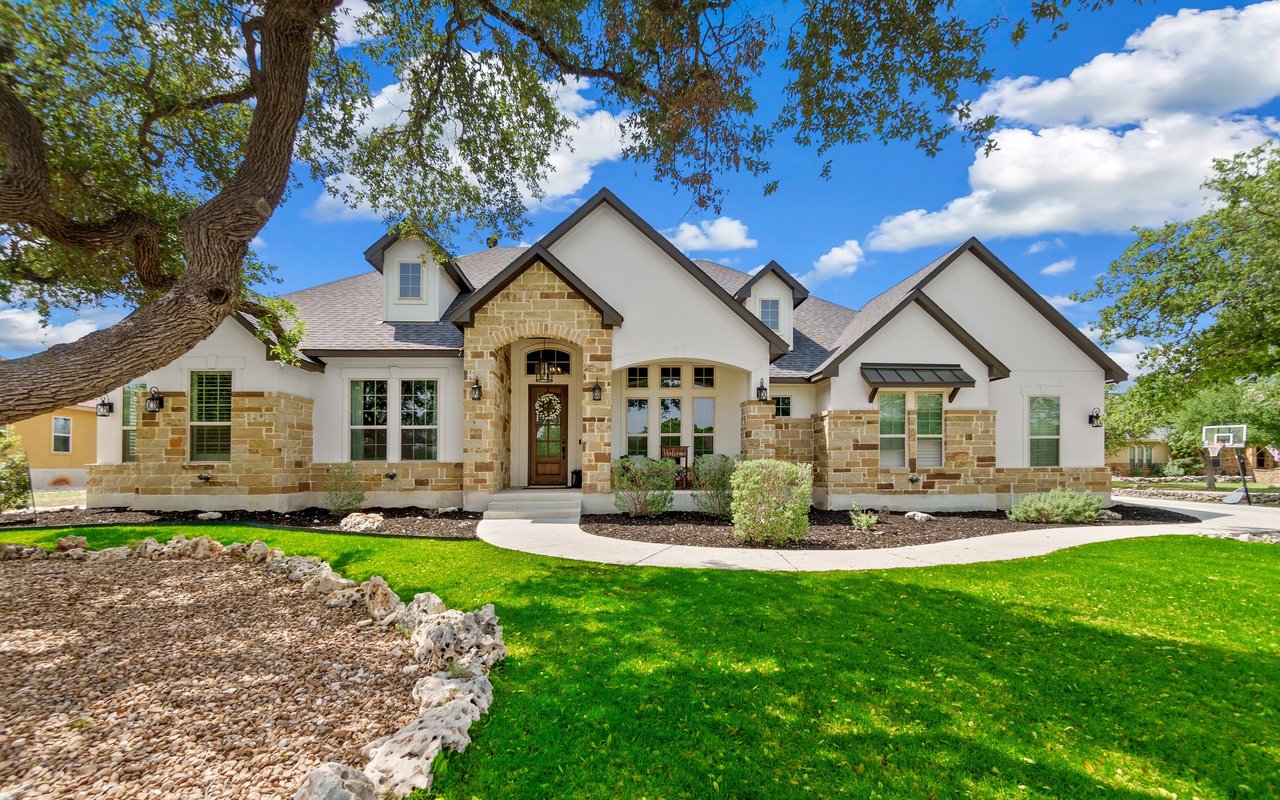
Aledo’s housing character leans low-density and residential rather than urban and compact. The city’s Strategic Plan calls for single-family residential opportunities, traditional neighborhood design, and strong architectural standards. It also emphasizes connections to parks, open space, schools, and retail.
The same plan notes that denser housing should be placed near appropriate nodes rather than spread across the community. It also supports limiting stand-alone multifamily sites. For buyers, that points to a community vision focused on preserving a small-town and rural-feel environment as growth continues.
From a market perspective, Aledo reads as more of a move-up market than an entry-level suburb. Zillow reported an average home value of $537,175 for 76008 as of May 31, 2026. Realtor.com also showed a median listing price of $637,000, with 602 active listings and a median 48 days on market.
Those figures are different measures, so they should not be treated as direct comparisons. Still, they do show that Aledo pricing tends to sit above many more affordable suburban markets in the region. If you are relocating or moving up, it is smart to enter this market with a clear budget and a good sense of your priorities.
Who Aledo May Fit Best
Aledo can be a strong match if you want a quieter setting, outdoor access, and a community that feels more small-town than suburban sprawl. It may also appeal to buyers who value local events, civic investment, and a residential environment shaped around parks, schools, and open space.
It may be less ideal if you want dense retail clusters, transit-oriented convenience, or a quick everyday drive into central Fort Worth. Neither preference is right or wrong. The key is making sure the lifestyle tradeoffs match what matters most to you.
Why Buyers Explore Aledo During Relocation
If you are moving to North Texas from out of state or from another part of DFW, Aledo often comes up for good reason. It offers a distinct lifestyle option within reach of Fort Worth, and it feels different from many of the region’s larger suburban cities. That difference can be a major advantage when you want more space, more calm, and a stronger sense of local character.
When you are evaluating Aledo, it helps to look beyond price and square footage. Pay attention to commute habits, access to parks, daily convenience, and how the overall community plan aligns with the way you want to live. Those details usually tell you more than a listing photo ever can.
If you are thinking about whether Aledo fits your move, Mellissa Rodriguez can help you compare communities, weigh commute tradeoffs, and find the right home for your next chapter.
FAQs
Is Aledo close to Fort Worth?
- Yes. Aledo is about 20 miles west of Fort Worth, which gives residents access to Fort Worth jobs, healthcare, and cultural amenities while living in a smaller community.
What is daily life like in Aledo, Texas?
- Daily life in Aledo centers on parks, civic spaces, local businesses, community events, and a quieter pace than many larger DFW suburbs.
What parks and trails are available in Aledo?
- The city lists six free public park areas, and the Parks of Aledo Trails system includes more than 10 miles of off-road singletrack trails.
What should buyers know about Aledo ISD?
- Aledo ISD serves Aledo and nearby communities across 130 square miles and offers programs such as CTE, dual credit, advanced courses, fine arts, robotics, and athletics.
Is Aledo a good fit for commuters?
- Aledo can work well for buyers who are comfortable with highway driving, but it is car-dependent and commute times can be affected by traffic and ongoing road construction.
What types of homes are common in Aledo?
- Aledo’s planning documents emphasize single-family homes, traditional neighborhood design, strong architectural standards, and connections to parks, schools, and open space.