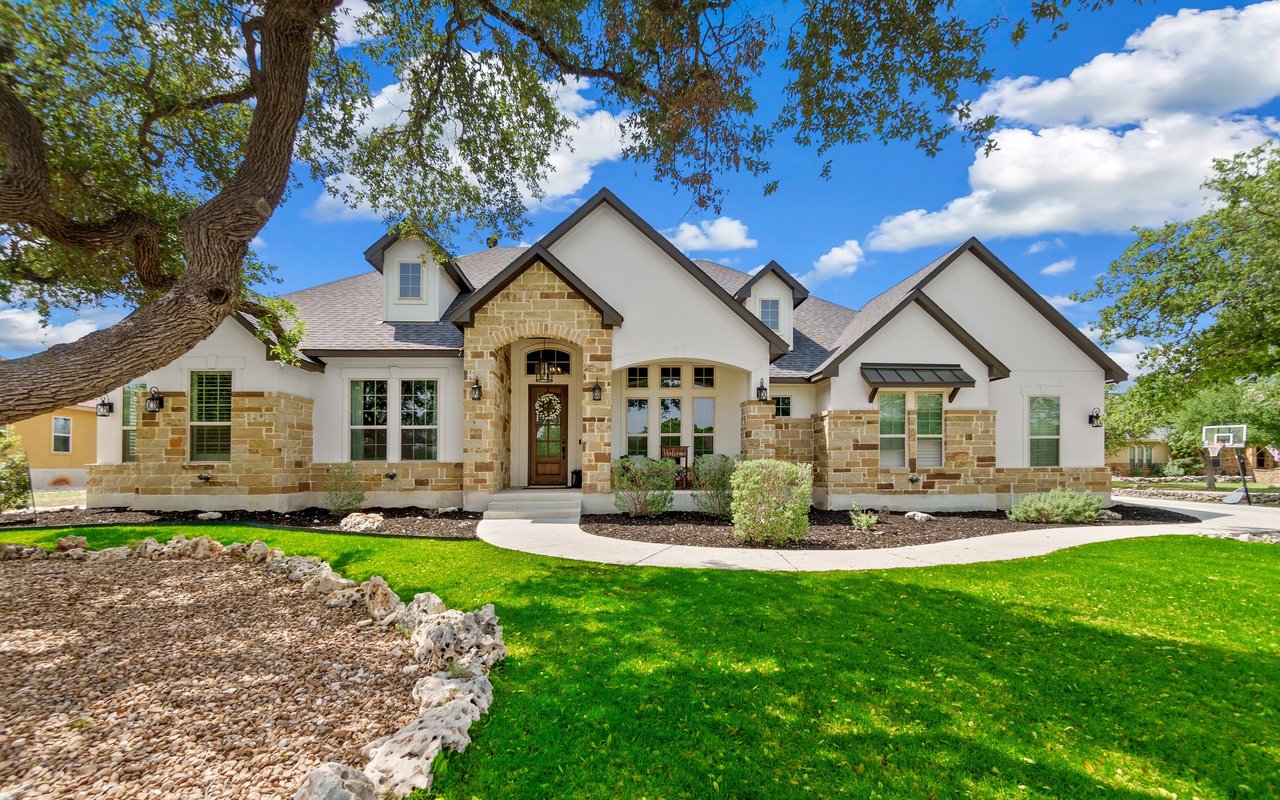
A modest resale near Southlake's entry price point and a multi-million-dollar custom estate a few streets over sit on the same dirt, and the dirt does not read appraisals. Both foundations face the same clay, the same summer drought, the same fall rain, and the same physics. What separates a smooth closing from a fight in the option period usually has nothing to do with square footage. It comes down to who evaluates the foundation and what information that evaluation provides.
That distinction matters more this year than it has in a while. Southlake's inventory has climbed roughly 21 percent compared to a year earlier, according to early 2026 market outlooks covering the luxury segment, which means buyers finally have room to ask questions instead of waiving them. The city's own reporting tells a related story: the FY2025 Annual Development Report put the average home sales price at $1,598,708 across 352 sales, with homes averaging 40 days on market and roughly 3.8 months of inventory. By the Q1 FY2026 report, the average had climbed to $1,704,880 across 76 sales. Prices are still moving up. But with more homes to choose from, buyers have leverage they did not have two years ago, and the foundation report is where that leverage gets spent.
The clay doesn't check the tax records
Southlake sits on the Blackland Prairie geological system that runs through much of central DFW, and the clay underneath it is classified as highly expansive. That means it changes volume dramatically depending on moisture. During a dry North Texas summer, when triple-digit heat runs for weeks without rain, the clay can shrink several inches and pull away from a foundation's edge. When fall rain finally arrives, the same clay swells back to full size and presses against that foundation with real force. Some estimates put the pressure this soil can exert at up to 10,000 pounds per square foot. That cycle repeats every year, and it treats a foundation poured in 2005 the same way it treats one poured last spring.
Post-tension slabs, the standard in most newer North Texas construction, are engineered to tolerate moderate soil movement. Southlake's clay can exceed that tolerance in a severe drought year, regardless of how well the slab was built. The neighborhoods with the oldest tree canopy and largest lots, places like Timarron, Shady Oaks, and Southlake Woods, deal with root systems pulling additional moisture from the soil near foundations. Newer construction in areas like Carillon or Clariden Ranch isn't exempt either. The soil doesn't distinguish between a legacy custom build and a spec home that closed six months ago.
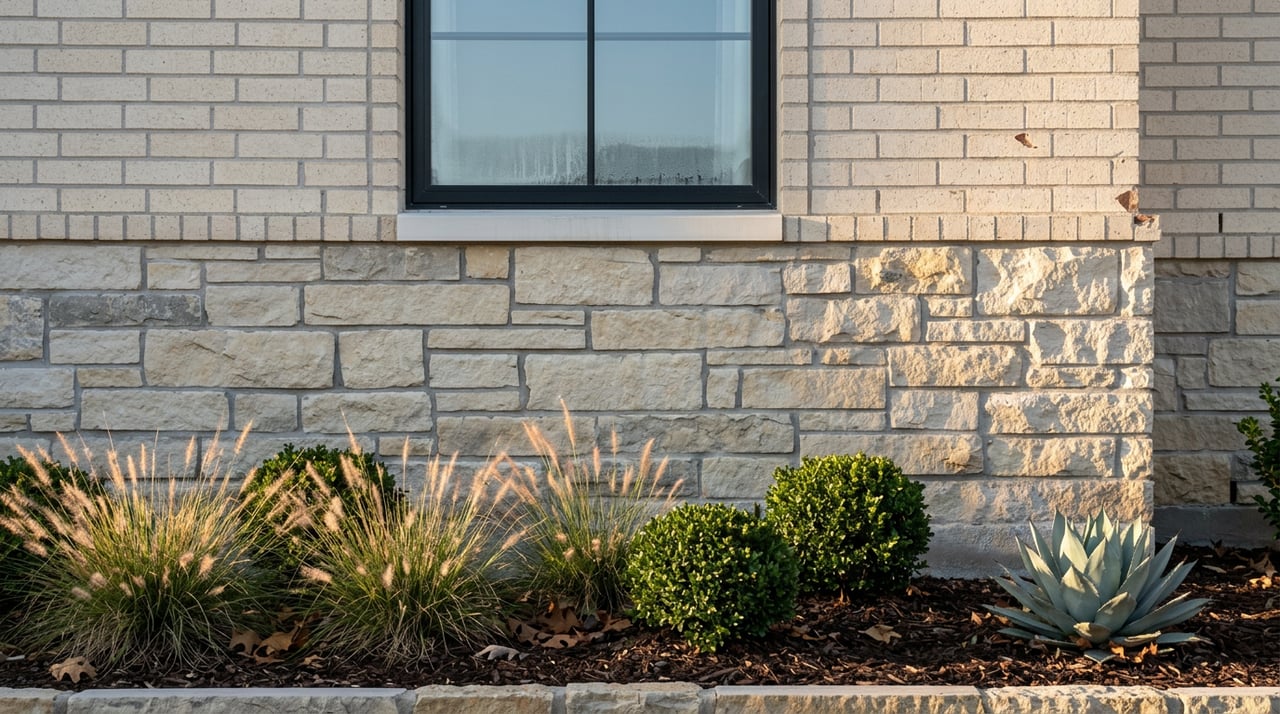
A hairline crack over a window means the same thing whether it's sitting under a modest roofline or a multi-million-dollar one, because the ground underneath doesn't check the price.
Two inspections that look identical and aren't
Here is the part that catches buyers off guard. When an option period turns up foundation concerns, there are two very different ways to get a second opinion, and they are not interchangeable.
Structural engineer evaluation | Repair company inspection | |
|---|---|---|
Who's paying them | You, a flat fee | Usually free, paid by the repair contract if you hire them |
Typical service | A report | A repair job |
Focus | Assessing structural conditions | Identifying and estimating potential repairs |
Typical output | An engineer-stamped report with elevation survey data, drainage notes, and a plain-language explanation of what's happening and why | An estimate for piers, drainage work, or slab jacking |
Best used for | Option period negotiation, pre-listing documentation, resale disclosure | Confirmed repairs after you already know what you're fixing |
When you're negotiating repairs during an option period on a Southlake home, use the evaluation to clarify the reported condition and a contractor's estimate to understand the scope and cost of proposed work.
What rising inventory changes at the negotiating table
The market data around Southlake looks contradictory if you pull it from more than one source, and that contradiction is worth understanding rather than averaging away. One industry tracker showed homes going to pending in roughly 9 days in a spring 2026 snapshot. Another put typical time on market closer to 25 days around the same stretch of the year. A separate read on just the well-priced luxury segment put the range at 49 to 68 days earlier in the year. These aren't errors. They're measuring different things, pending speed versus closed sale timelines versus a curated luxury segment, and the gap between them is the actual story: Southlake doesn't behave like one market. It behaves like a handful of micro-markets stacked on top of each other, with pricing and pace that shift by neighborhood, price band, and condition.
What that means for a buyer under contract right now is straightforward. With inventory up and more homes competing for attention, a foundation finding no longer has to end in a shrug and a signature. It's a legitimate item to bring back to the table, whether that means a price adjustment, a repair credit, or a completed repair before closing. A year or two ago, in a tighter market, plenty of buyers waived that conversation entirely to win a multiple-offer situation. That calculation has shifted.
For sellers, the same data cuts the other way. If the city's own numbers show average sale prices climbing toward $1.7 million, a foundation surprise that turns up mid-option period doesn't just cost you the repair. It costs you leverage at exactly the moment you had the most of it, and it can turn a clean negotiation into a rushed one. A pre-listing structural evaluation, done before the home ever hits the market, lets you price with full information and head off a renegotiation before it starts.
The inspection list worth asking for
Southlake homes tend to be larger, on bigger lots, with more complex systems than the DFW average, and that changes what "a home inspection" should actually cover. Beyond the standard roof, electrical, plumbing, and HVAC review, most local inspectors and engineers recommend a short list of additions for anything in this price range:
- A foundation evaluation from a licensed structural engineer, separate from a general inspector's foundation notes
- A sewer scope, since mature tree root systems common across older Southlake lots can intrude on lines over time
- A secondary HVAC check for homes with multiple units or zoned systems
- A pool and outdoor structure inspection where relevant, since patios, outdoor kitchens, and pool decking sit on the same soil and move with it
None of this is about assuming the worst. It's about knowing what you're buying before you own it, and knowing early enough that it's still negotiable.
A few questions we hear often
Does a home built in the last five years still need this? Yes. The clay cycle doesn't care about the home's age. A newer post-tension slab is engineered for typical movement, but a severe drought year can push soil behavior past what any slab was designed to absorb.
Can repairs found during the option period actually be negotiated? That conversation happens often, and in a market with more inventory, buyers generally have more room to raise it. The specifics of what's negotiable depend on your contract and timeline, so this is worth talking through with your agent rather than assuming one outcome fits every deal.
How do I know what an inspector's findings cover? Ask what the evaluation includes and whether the provider also offers repair work. An engineer's report and a contractor's repair estimate provide different kinds of information.
If you're weighing a Southlake purchase or getting a home ready to list, this is exactly the kind of detail Leo looks at with a builder's eye, alongside Mellissa's read on contracts and negotiation. Between the two of them, you get a straight answer on what a foundation finding actually means and what it's worth at the table. Reach out to the Go To Texas Team to begin your relocation journey with someone who knows what's under the slab, not just what's listed on it.
This article is general information, not legal, tax or financial advice. Consult a qualified professional about your situation.