If you are trying to decide between new construction and resale in Celina, you are asking the right question at the right time. Celina is growing fast, and that growth gives you more choices, but it also means your decision affects timeline, budget, and long-term fit in different ways. This guide will help you compare both paths so you can move forward with more clarity and less stress. Let’s dive in.
Why This Choice Matters in Celina
Celina is not a static market. The U.S. Census Bureau estimates the city’s population at 64,427 as of July 1, 2025, which is up 206% from 2020, and the city’s FY2026 capital improvement planning projects about 2,400 single-family permits and growth to roughly 67,232 residents.
That kind of expansion shapes the home search in a real way. You are not just choosing between two houses. You are often choosing between a home in an actively developing area and a home in an already completed setting.
The city’s long-range planning also points to intentional growth. Celina uses planned developments, infrastructure master plans, and a Neighborhood Vision Book that emphasizes connected, walkable neighborhood design.
On the resale side, current market conditions suggest you may have room to compare options. Redfin reports a median sale price near $496,000, average days on market around 92, and about one offer on average, which can give buyers time to weigh new construction against resale without feeling rushed.
When New Construction Makes Sense
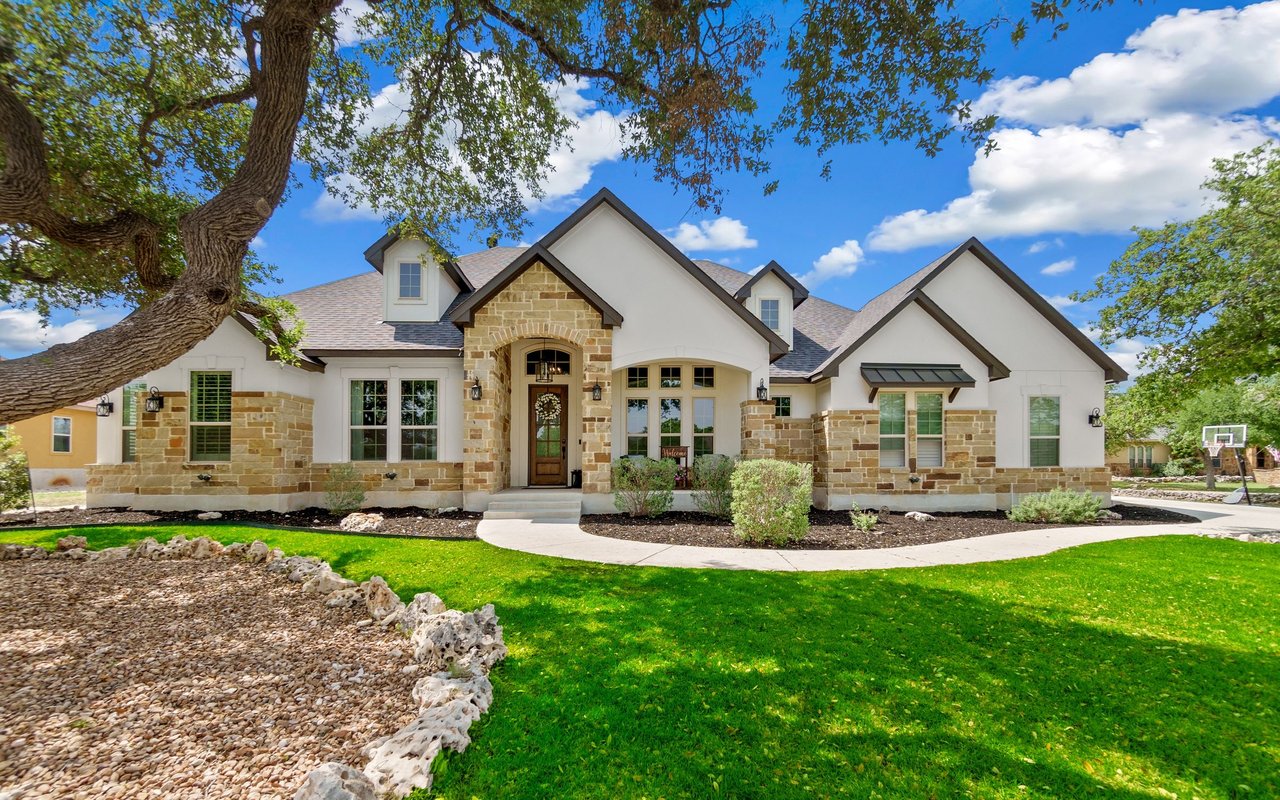
New construction often fits buyers who want a more tailored end result. If you like the idea of choosing a lot, selecting finishes, or moving into a home with newer systems and a fresh layout, this path can be appealing.
In Celina, that choice also connects to how the city is growing. Many new homes are part of planned neighborhoods shaped by city design standards, infrastructure planning, and permit review.
More Choice in the Home Itself
One of the biggest advantages of new construction is the ability to choose features that match your preferences. Depending on the stage of construction, you may be able to influence layout details, design selections, and sometimes even lot placement.
That can be especially helpful if you want a home that feels move-in ready from day one. Instead of planning updates right after closing, you may be able to start with a home that already reflects your style and practical needs.
Planned Neighborhood Design
Celina’s Neighborhood Vision Book shows a clear preference for neighborhood layouts that support walkability, connected open space, and safer street patterns. It notes that curving street grids are generally preferred, while linear grids are more common for smaller patio-home and townhome products.
For you, that means a new-construction purchase is often about more than the house. You are also choosing into a neighborhood plan that was designed with a specific layout and development pattern in mind.
Longer and Less Certain Timelines
The tradeoff is time and predictability. Celina reviews site plans, plats, zoning applications, and residential permits through its local process, and Building Services handles plan review, inspections, occupancy, and code enforcement.
Site work can add another layer. The city requires an Earthwork Permit for clearing, grading, excavation, and other earth-disturbing activity, and floodplain-related projects may need additional review.
For buyers, the practical takeaway is simple. New construction may offer more customization, but the timeline can be harder to pin down than a completed home.
Budget Questions to Ask Early
With new construction, your costs may go beyond the base price of the home. The Consumer Financial Protection Bureau notes that builders may ask for earnest money on homes that are not yet built, and buyers should ask when that deposit is refundable.
The same source also notes that you do not have to use the builder’s preferred lender. That gives you room to compare financing options instead of assuming the in-house path is your only choice.
Celina also uses impact fees to help fund water, wastewater, and roadway infrastructure for new development. In practical terms, some pricing in newer areas may reflect both the house and the cost of growth around it.
When Resale Makes Sense
Resale homes often fit buyers who want more certainty. If you would rather see the exact home, inspect its current condition, and move on a shorter timeline, resale can be a strong option in Celina.
This can be especially helpful if your move is tied to work, a lease ending, or a family schedule that leaves little room for construction delays. A completed home gives you a more immediate picture of what you are buying.
A Faster, More Concrete Process
With resale, you can usually walk through the actual home you may buy, evaluate its layout in person, and move toward closing on a more standard timeline. HUD’s homebuying process outlines the familiar sequence of making an offer, getting an inspection, shopping for homeowners insurance, and closing.
That path is often easier for buyers who value clarity over customization. You can make decisions based on what is there now, not on what is expected to be finished later.
More Negotiating Room
Celina’s resale market does not currently appear extremely competitive by Redfin’s measure. With average days on market around 92 and about one offer on average, buyers may have more room to compare homes and negotiate terms.
That can matter if you want time to evaluate condition, estimate future improvements, or avoid making a rushed decision. In a fast-growing city, breathing room is valuable.
Renovation Potential Over Time
Another advantage of resale is flexibility after closing. Celina’s residential permit system specifically covers remodels, additions, pools, accessory structures, flatwork, foundation repair, and other categories of home improvement.
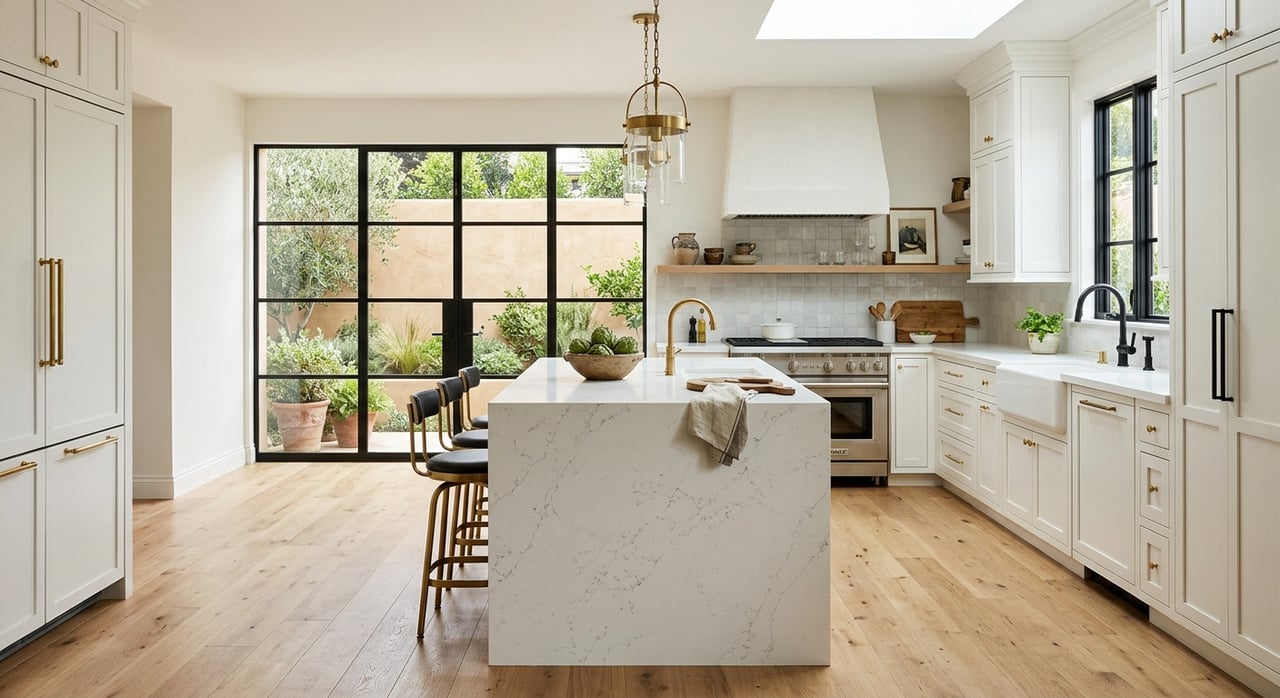
That means if you find a home with solid basics but dated finishes, you may be able to update it in phases. You do not have to do everything at once, as long as your plans follow city requirements and approvals.
For remodel-minded buyers, this can create real opportunity. A resale home may let you spread upgrades over time instead of paying upfront for every finish in a brand-new build.
Inspections Matter in Both Choices
It is easy to assume a new home needs less scrutiny than a resale home. In reality, both deserve careful due diligence.
Celina requires contractor registration before permits are issued, including credential verification and insurance documentation. The city also issues permits, conducts inspections, and enforces codes to maintain minimum construction and property-maintenance standards.
That said, code compliance is not the same as perfect workmanship. HUD explains that a home inspection is meant to evaluate physical condition and identify needed repairs, and it is separate from an appraisal.
For a resale home, the inspection helps you understand the condition of major systems and what may need repair or replacement soon. For a new home, it can help you spot issues with finishes, drainage, installation quality, or workmanship before closing.
Think About Lot, Drainage, and Surroundings
In Celina, the lot can matter almost as much as the house. If a property is near drainage features or in an area affected by floodplain review, that can shape both timeline and long-term costs.
The city requires extra review for certain floodplain-related projects, and site work can involve separate approvals. Buyers should also check insurance pricing early when a property raises drainage or flood-risk questions.
This is one area where a calm, detail-driven review really pays off. A beautiful floor plan may not be the best fit if the lot conditions or surrounding development stage do not match your comfort level.
A Simple Way to Decide
If you are torn between the two, it helps to focus on your top priorities instead of trying to find a one-size-fits-all answer. In Celina, this choice is usually less about which option is universally better and more about which process fits your life.
Choose New Construction If You Want:
- More say in lot selection or finishes
- Newer systems and a fresh-home feel
- A neighborhood with intentional, planned design
- Flexibility to wait longer for move-in
Choose Resale If You Want:
- A completed home you can evaluate now
- A faster path to closing and occupancy
- More certainty about condition before purchase
- The ability to renovate in stages over time
Compare Total Cost, Not Just Price
No matter which direction you lean, compare the full monthly and upfront picture. The Consumer Financial Protection Bureau recommends budgeting not only for the mortgage, but also for closing costs, moving costs, repairs, home improvements, taxes, and insurance.
That advice matters in both paths. A new build may come with higher upfront cash needs tied to deposits or pricing structure, while a resale home may need repairs or updates soon after closing.
In the end, new construction in Celina is often a process-and-preference choice, while resale is usually a condition-and-renovation choice. If you want help sorting through lot value, build quality, remodel potential, and what fits your move best, Mellissa Rodriguez can help you compare your options with a calm, practical Texas perspective.
FAQs
Is new construction or resale better for a fast move to Celina?
- Resale is usually better if you want a completed home, a more standard closing process, and faster occupancy.
What should buyers compare when looking at new construction in Celina?
- You should compare lot options, timeline flexibility, earnest money terms, lender choices, neighborhood development stage, and total monthly cost.
Can you remodel a resale home in Celina later?
- Yes. Celina’s residential permit system covers many improvement types, including remodels, additions, pools, accessory structures, flatwork, and foundation repair.
Do new homes in Celina still need inspections?
- Yes. City permits and inspections support minimum standards, but a home inspection still helps you evaluate workmanship, condition, and potential issues before closing.
Why does the new construction versus resale choice matter so much in Celina?
- It matters because Celina is growing quickly, with thousands of projected single-family permits and active long-range planning that shape neighborhoods, timelines, and buyer options.